
A friend of mine who builds machine learning models spent an afternoon last month trying to explain quantum computing to me over coffee. He kept drawing circles on a napkin, one for classical bits, one for a qubit, and by the end, we agreed on one thing. Quantum computing and AI are heading toward a collision that will change what these systems can actually do. Most AI models today hit a wall on raw computing power, and that wall is becoming obvious to anyone training large models. Learning the basics feels worth it now, since the technology promises to chew through problems that would keep a classical machine busy for thousands of years. This piece walks through what quantum computing and AI look like together, how the partnership works, and where the hype has run ahead of reality.
What Is Quantum Computing and AI
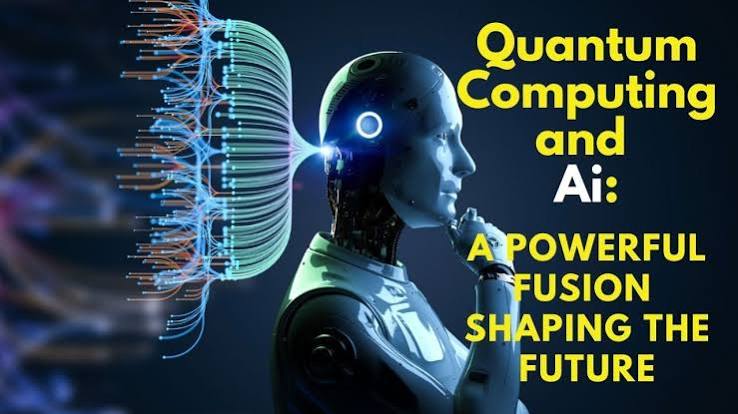
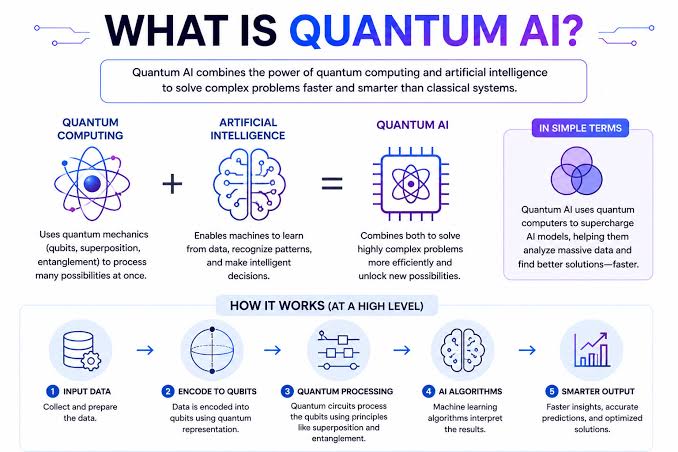
Quantum computing and AI are the pairing of two very different technologies, one that uses quantum bits to process information in ways ordinary computers cannot, and one that learns patterns from data instead of following fixed rules. Together, they are meant to speed up training and crack optimization problems that choke today’s hardware.
Classical computers store everything as a bit, and a bit is either a zero or a one. Quantum computers use qubits instead, and a single qubit can hold a mix of states at once through superposition, which lets a quantum machine explore many possible answers at once instead of checking them one by one. Pair that with an AI model, and the goal becomes obvious: speed up the slowest parts of machine learning, like training on massive datasets or searching endless variable combinations. Quantum AI research is still young, so most systems lean on a classical computer for everyday tasks and hand the quantum processor only what it suits. Our guide on AI automation tools for daily productivity gets into how classical AI already carries most business workloads, quantum or not.
How Quantum Computing and AI Work Together
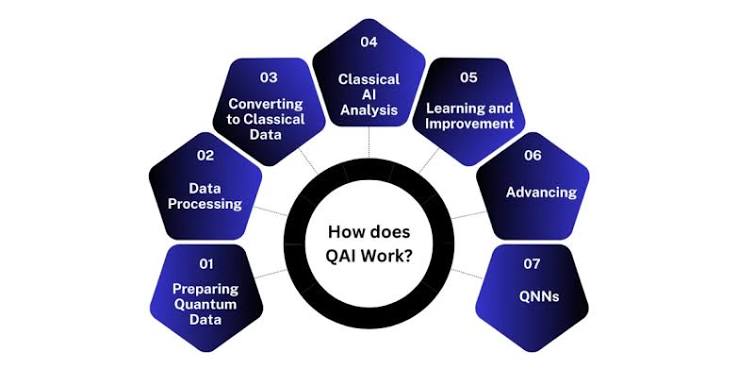
Quantum computing and AI work together through quantum machine learning, where a quantum processor handles calculations like optimization and pattern matching, while the classical system around it manages everything else in the pipeline.
Think of it less like a replacement and more like a partnership. A quantum processor gets handed one narrow task, maybe finding the best combination of variables in a dataset, while the classical computer around it still handles storage and the parts of the model that gain nothing from quantum speedups. IBM and Google have both run small-scale experiments pairing quantum hardware with neural networks, with early results hinting that some optimization problems run faster this way. Our piece on prompt engineering and AI privacy practices touches on a related idea: that the tools around a model can matter as much as the model itself.
Key Features of Quantum AI Systems
Modern quantum AI research keeps circling back to a handful of practical strengths. Optimization tops the list, since a properly tuned quantum system can sort through enormous combinations of variables faster than classical machines manage once set up correctly. Pattern recognition comes next, and early experiments show quantum models catching subtle patterns classical models tend to miss. Simulation is where things get exciting for research-heavy fields, since a quantum computer can model molecular behavior in ways a classical supercomputer would take years to approximate.
Pros and Cons
There is plenty to be excited about here, but the technology is nowhere near mature yet.
On the upside, quantum computing and AI together could cut training time for certain models, unlock breakthroughs in drug discovery, and solve optimization problems that stay out of reach for classical hardware.
On the downside, quantum hardware is expensive, fragile, and needs extreme cooling, keeping most of it locked away inside specialized labs. Most applications are still experimental, with a real gap between press release claims and what actually works.
Pricing and Accessibility
Access to real quantum hardware is not cheap, though it is more reachable than most assume. Cloud platforms from IBM, Amazon, and Microsoft let developers run small quantum programs free through limited tiers. A dedicated in-house system can cost tens of millions of dollars, which is why most activity happens through cloud services instead.
Best Use Cases
Quantum computing and AI show the most promise in a handful of specific areas. Drug discovery teams use quantum simulations paired with AI models to predict how new molecules behave before anyone runs a physical experiment. Financial firms are testing quantum optimization for portfolios, and logistics firms are experimenting with quantum-assisted routing.
Comparison Table
| Platform | Quantum Access | AI Integration | Free Tier | Best For |
| IBM Quantum | Yes | Strong | Yes | Research and education |
| Amazon Braket | Yes | Moderate | Limited | Enterprise experiments |
| Google Quantum AI | Yes | Strong | Limited | Advanced research teams |
| Microsoft Azure Quantum | Yes | Strong | Limited | Hybrid classical quantum apps |
Alternatives Worth Knowing
Not every company chasing this space is building actual quantum hardware. Some startups focus on quantum-inspired algorithms that run on classical machines but borrow ideas from quantum math, offering a taste of the speedup without specialized hardware. Others build simulators so developers can test quantum AI ideas before real hardware access becomes affordable. Our breakdown of marketing AI tools for small teams shows a similar pattern of smaller companies building lighter versions first.
Frequently Asked Questions
What is quantum AI in simple terms? Quantum AI uses quantum computers to train or run AI models faster, especially on problems with huge numbers of variables to juggle at once.
How does quantum computing help AI research? It speeds up calculations like optimization and simulation, work that would otherwise tie up a classical computer for far too long.
Is quantum computing and AI ready for everyday use? Not yet, honestly. Most of what exists right now still lives inside research labs and pilot programs.
Will quantum computing replace classical AI systems? Probably not anytime soon. The more realistic path pairs quantum processors with classical systems, letting each one handle what it does best.
Verdict
Quantum computing and AI are not about to replace your laptop or your favorite chatbot next year, but the groundwork being laid at IBM, Google, and a growing list of startups is worth watching. The technology already shows real promise in optimization, simulation, and pattern recognition, even if most of it still lives behind research lab doors and cloud experiment tiers. Anyone working in drug discovery, materials science, logistics, or finance should be tracking this closely. For everyone else, that shift into everyday tools is coming, just not yet.